

Whether it’s broken beyond repair, outdated, or simply no longer needed, disposing of a refrigerator is not a one-step process. These appliances contain harmful refrigerants, electronic components, metal, plastic, and even chemicals that require special handling. That’s why knowing how to dispose of a refrigerator properly is not just about convenience—it’s about legal compliance, environmental safety, and even community responsibility.
In this guide, we’ll walk through every detail you need to know, including how to dispose of a fridge and freezer, deal with a broken unit, safely remove a compressor, and what to do with accessories like magnets, filters, and rusted doors. If you’re preparing for disposal or thinking of an upgrade, read on for a complete roadmap.
Legal and Environmental Rules Around Refrigerator Disposal.
Most refrigerators manufactured today use refrigerants like HFCs or older variants like CFCs that are harmful to the ozone layer and environment if released improperly. That’s why the EPA and local waste management authorities regulate how fridges must be disposed of.
Disposing of a refrigerator through general trash pickup is not legal in most areas. Instead, you’ll need to follow official channels that typically involve:
- Recycling programs
- Manufacturer take-back services
- Certified appliance disposal providers
This ensures harmful materials are safely extracted and recycled rather than dumped in a landfill.
How to Dispose of a Fridge and Freezer:
Your Options.
If you’re wondering how to dispose of a fridge and freezer, the method depends on your local resources and the condition of the appliance.
Option 1: Retailer Take-Back
When purchasing a new fridge or freezer, many appliance retailers (like Best Buy, Lowe’s, or Home Depot) offer haul-away services. They typically include disposal of the old appliance for an added fee or even for free with delivery.
Option 2: Local Recycling Centers
Search for certified appliance recyclers or drop-off locations. These centers safely remove refrigerants, drain oils, and recycle metals, plastics, and electrical parts. The U.S. EPA’s Responsible Appliance Disposal (RAD) program provides a list of compliant facilities.
Option 3: Municipal Pickup Programs
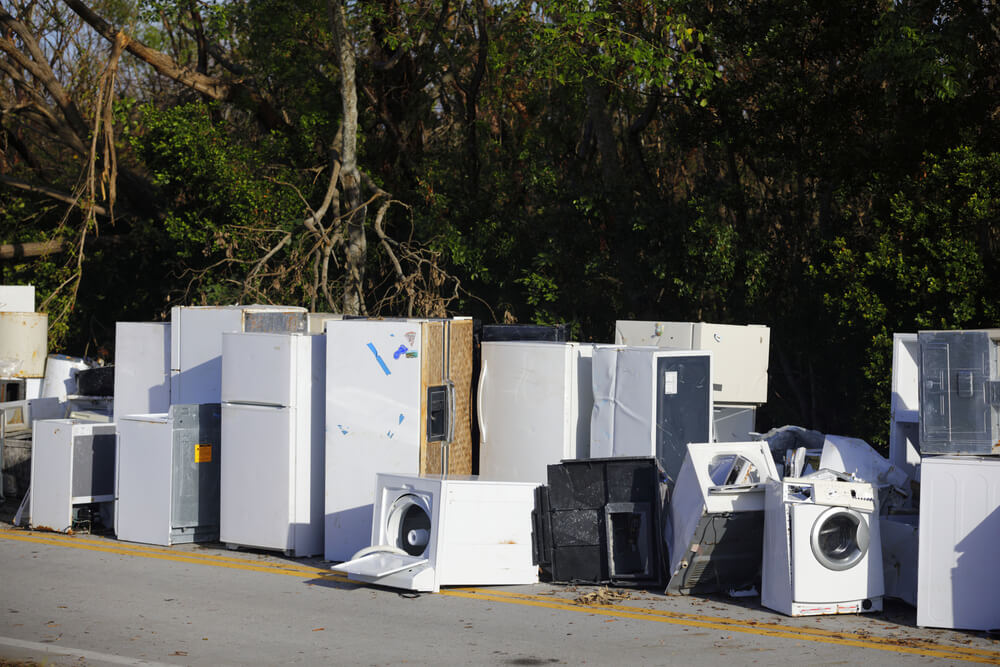
Many cities and counties offer bulk trash pickup days or special appointments for appliances. However, you’ll usually need to schedule in advance and ensure the fridge is prepared (e.g., doors removed, refrigerant drained).
Option 4: Sell or Donate (If Functional)
If your fridge or freezer still works, consider donating it to:
- Habitat for Humanity
- Salvation Army
- Local shelters or food pantries
You can also sell it through platforms like Facebook Marketplace or Craigslist.
How to Get Rid of a Broken Refrigerator
Dealing with a broken refrigerator requires caution and adherence to safety measures. You must ensure that no refrigerant leaks and that sharp or dangerous parts are not exposed. Here’s what to do:
Step-by-Step Guide:
- Unplug and empty the unit.
- Defrost if necessary and clean the interior.
- Secure cords and doors using duct tape or rope to prevent accidents.
- Contact a certified technician or disposal service to remove the refrigerant and compressor (if needed).
- Schedule pickup or drop-off with a certified recycling center.
Do not attempt to break apart or trash the fridge yourself. Illegal disposal can result in fines or health hazards.
How to Dispose of a Refrigerator Compressor.
The compressor is a metal cylinder that pressurizes refrigerant gas to keep your fridge cool. It contains oil and gases that professionals must remove before recycling.
Steps:
- Do NOT cut into or dismantle the compressor unless trained to do so.
- Contact a certified HVAC or appliance technician to remove it safely.
- Once drained and cleaned, compressors can be sold as scrap metal or sent to specialized recyclers.
In some cases, scrap yards may accept compressors only after the refrigerant and oil are removed.
How to Dispose of Refrigerator Water Filter.
Water filters in refrigerators contain carbon and other materials that can’t be tossed in household recycling. However, there are a few safe disposal methods:
- Manufacturer recycling programs: Brands like Samsung, Whirlpool, and GE often accept used filters via mail-in services.
- Household hazardous waste (HHW) centers: Many communities have designated drop-off sites for water filters.
- General trash (as a last resort): If no recycling option exists, wrap the filter in a sealed bag and dispose of it in the garbage.
Always remove the filter from the fridge and check if it is labeled as recyclable.
How to Dispose of Refrigerator Magnets.
Fridge magnets are often made of plastics, vinyl, or magnetic materials that are not curbside recyclable. But there are a few clever ways to deal with them:
- Donate them to schools or daycares for crafts.
- Reuse for DIY projects like whiteboards, organizers, or wall art.
- Mail to upcycling programs if available in your region.
If disposal is necessary, place them in the regular trash after removing any batteries or electronics (if applicable).
What to Do About Rust: How to Get Rid of Rust on Refrigerator Door.
Rust may not affect the function of your fridge, but it certainly impacts its appearance and hygiene. If you’re considering disposal due to rust, consider trying a fix first.
Rust Removal Steps:
- Clean the area with mild detergent and warm water.
- Use baking soda and water paste or a commercial rust remover on the affected spot.
- Gently scrub with a soft brush or sponge.
- Once rust-free, touch up with appliance-safe paint to prevent further corrosion.
If rust has eaten through the door or affected interior components, it may be time to replace or dispose of the unit.
How to Decrease Refrigerator Temperature Before Disposal.
Before disposing of your fridge, it’s a good idea to lower the temperature one last time to ensure proper defrosting and drainage.
Steps:
- Turn the thermostat to its coldest setting 24 hours before unplugging.
- Then, unplug the refrigerator and leave the doors open to allow defrosting.
- Use towels to soak up any moisture to prevent leaks during transport.
This reduces weight and makes the fridge safer to handle during disposal or recycling.
Safety and Compliance Reminders.
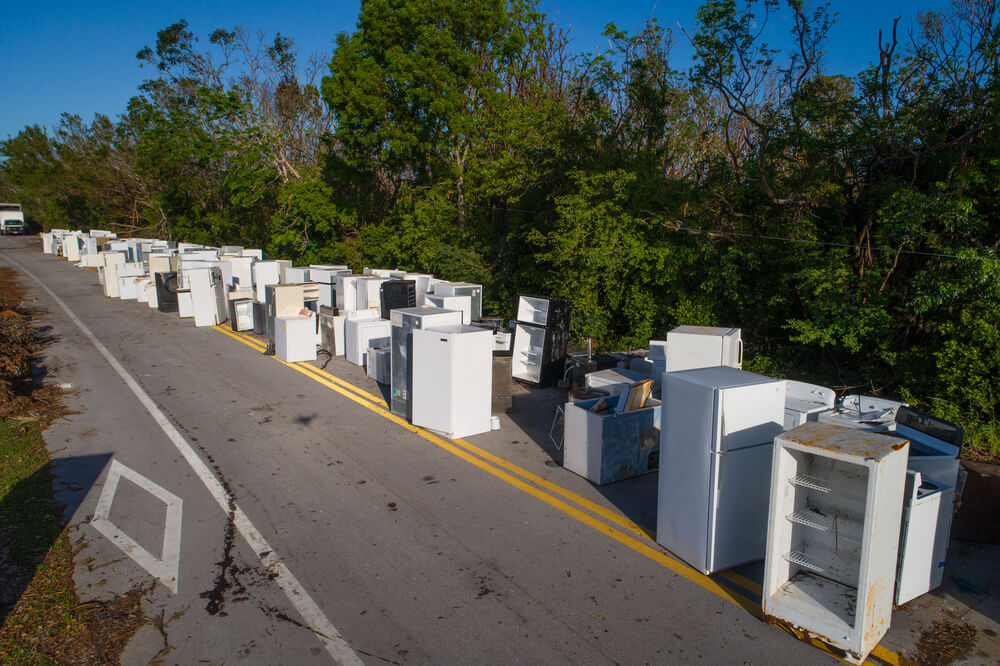
- Do not leave your fridge on the curb with doors intact—it poses a suffocation risk to children and pets.
- Always check local regulations before disposing of any appliance.
- Label it clearly as “Non-Working” if dropping it off at a landfill or recycling station.
By following the steps outlined in this guide, you’re not just disposing of a refrigerator-you’re contributing to a cleaner environment and safer community. Responsible Refrigerator Disposal Is Worth the Effort, and we’re here to help you every step of the way. Understanding how to dispose of a refrigerator properly goes beyond simply getting rid of an old appliance. From managing refrigerators and freezers to handling broken units, compressors, and even accessories like magnets and water filters, each component must be dealt with carefully.
By following EPA-compliant and eco-friendly disposal methods, you ensure that you’re protecting the environment, complying with the law, and even possibly helping someone in need through donation or parts recycling. With a bit of planning, you can dispose of your old fridge with a clear conscience and a cleaner planet.