

Jelly, jam, preserves-these sweet spreads are pantry staples in many households. Whether you’re layering it on toast, baking it into pastries, or swirling it into yogurt, jelly brings both sweetness and texture to the table. But when it comes to storing jelly properly, many people are unsure: Does jelly need to be refrigerated after opening? And what about homemade jam or store-bought versions-are the storage rules the same?
The answer depends on several factors including the type of jelly, how it’s made, and how soon you plan to use it. In this article, we’ll break down when refrigeration is necessary, how long jelly lasts in various conditions, and what happens if you don’t store it properly. We’ll also address common questions about related spreads like jam and even gelatin desserts like Jell-O.
Understanding Jelly: What It’s Made Of and Why That Matters
To understand how jelly should be stored, it’s helpful to first understand what it is. Jelly is made by cooking fruit juice with sugar and pectin-a natural gelling agent derived from fruit. The sugar acts as a preservative by drawing out moisture and reducing microbial growth, which is why unopened jelly can sit on store shelves for months without refrigeration.
However, once a jar of jelly is opened, its exposure to air, utensils, and room temperature begins to alter its microbial environment. And while sugar and acidity offer some protection, they’re not enough to prevent spoilage indefinitely.
This is where refrigeration becomes important-not necessarily for immediate safety, but for prolonging quality and preventing mold or fermentation.
Does Jelly Have to Be Refrigerated After Opening?
For most types of jelly-especially commercial brands-yes, refrigeration after opening is strongly recommended.
Even though the high sugar content in jelly acts as a preservative, it doesn’t eliminate all risk of spoilage. Once the seal is broken and the jar is exposed to air and moisture, the environment becomes more favorable for mold and yeast. Refrigerating jelly helps slow this process, keeping it fresher for longer.
In general, here’s what happens depending on your storage method:
- Refrigerated jelly stays fresh for about 6 months after opening.
- Unrefrigerated jelly may last 1–2 weeks at room temperature, but signs of spoilage can appear sooner depending on the environment.
It’s worth noting that some brands may not explicitly say “Refrigerate after opening,” but that doesn’t mean they’re shelf-stable indefinitely. As a rule of thumb, when in doubt, refrigerate.
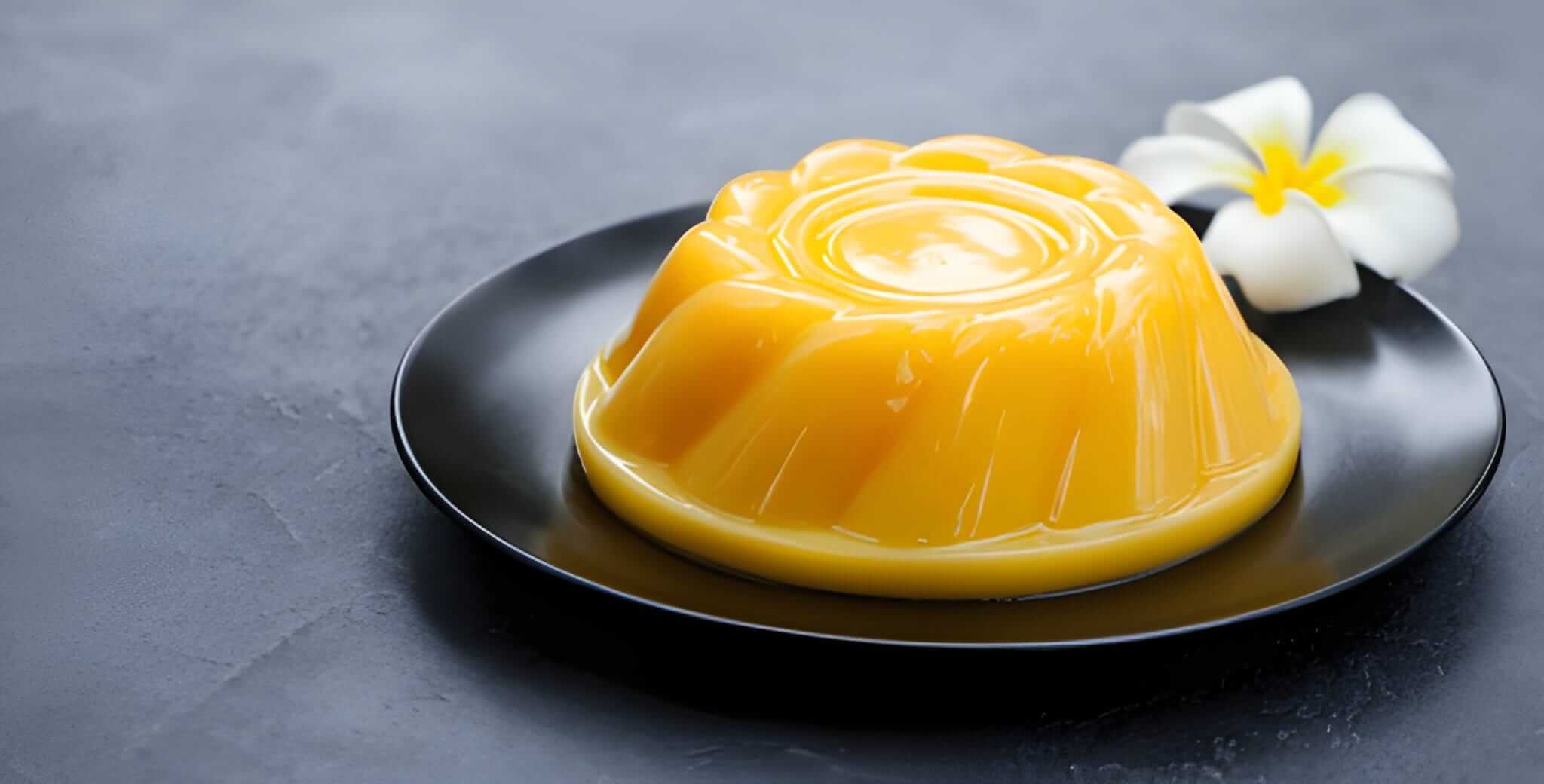
Does Homemade Jam Need to Be Refrigerated After Opening?
Homemade jams and jellies often contain fewer preservatives than store-bought varieties, and may have lower sugar content or altered acidity-especially if made with alternative sweeteners or fruits.
Because of this, homemade jam should always be refrigerated once opened.
Also, homemade products often skip the high-temperature pasteurization process that commercial jellies undergo. This means they are more vulnerable to microbial growth once exposed to air. If left out at room temperature, homemade jelly can spoil quickly—even within a couple of days.
For maximum safety and freshness:
- Keep homemade jams tightly sealed.
- Store them in the fridge as soon as they’ve cooled.
- Consume within 3 to 4 weeks after opening for best quality.
Does Store-Bought Jelly Need to Be Refrigerated?
Yes, store-bought jelly also needs to be refrigerated after opening, even though it has added preservatives. Brands like Smucker’s, Welch’s, and Bonne Maman use a combination of sugar, acid, and sometimes sodium benzoate to inhibit spoilage. Still, once exposed to air and moisture, mold and yeast can begin to grow.
Leaving store-bought jelly unrefrigerated won’t necessarily make it dangerous to eat immediately, but the taste and texture can change over time. The surface may become watery, and you may notice discoloration or fermentation—especially if the jelly has been used over several weeks.
Always check the label: even if the packaging doesn’t mention refrigeration, most food safety guidelines recommend refrigerating fruit-based spreads once opened.
Does Jelly Need to Be Covered in the Fridge?
Absolutely. Jelly should always be tightly covered when stored in the fridge.
Leaving a jar loosely covered or unsealed allows air, moisture, and cross-contamination from other foods to affect its quality. Even in the refrigerator, an exposed jelly surface can dry out, develop a crusty film, or worse—grow mold.
To store jelly properly:
- Keep the lid tightly sealed.
- Avoid double-dipping with utensils.
- Store upright and away from raw meats or strong-smelling foods to prevent cross-contamination.
A tightly covered container also helps retain flavor and prevents the jelly from absorbing odors from the fridge.
What Happens If You Don’t Refrigerate Jelly?
If you leave jelly out at room temperature after opening, here’s what can happen:
- Mold Growth – The biggest risk. Mold can develop on the surface within days, especially in humid environments or warm kitchens.
- Texture Degradation – Jelly may become runny or separate over time. It might also dry out or crystalize.
- Fermentation – The sugar in jelly can ferment, creating off-odors, bubbles, or a slight alcoholic smell—signs that it’s no longer suitable for consumption.
- Loss of Flavor – Without refrigeration, jelly can start to lose its fruity, fresh taste and develop a stale, overly sweet profile.
If you notice any signs of spoilage, it’s best to discard the jelly rather than risk foodborne illness.

How Long Does Jello Need to Be Refrigerated For?
It’s important not to confuse jelly (fruit preserve) with Jell-O, the gelatin dessert. Jell-O must be refrigerated both during and after preparation.
When making Jell-O from a mix, the gelatin needs to chill in the fridge for at least 4 hours to fully set. After it’s set, Jell-O should be stored in the refrigerator in a covered container and consumed within 7 to 10 days.
Leaving Jell-O out of the fridge for more than 2 hours increases the risk of spoilage, especially because it’s made with water and sugar-a combination that supports microbial growth at room temperature.
Does Jam Need to Be Refrigerated? (Reddit and Common Opinions)
Reddit threads and cooking forums are filled with opinions on this topic. Some argue that high-sugar jams can survive at room temperature, while others insist on refrigeration immediately after opening.
Here’s the reality: Most of these opinions are context-dependent. If you live in a cold climate, use jam daily, and finish the jar in a week, it might stay fine without refrigeration. But in most cases-especially with longer storage times and warmer kitchens-refrigeration is the safer and smarter choice.
Even food safety experts and manufacturers generally agree: if it’s been opened, it should go in the fridge.
Final Thoughts
So, does jelly need to be refrigerated? Yes-at least once the jar is opened. Whether it’s homemade jam, store-bought jelly, or even Jell-O, refrigeration plays a vital role in preserving flavor, preventing spoilage, and protecting your health.
While jelly’s high sugar content offers some built-in preservation, it’s not enough to keep microbes at bay in the long run. A tightly sealed jar stored in the fridge ensures that your sweet spread stays fresh and safe to enjoy on everything from PB&Js to pastries.
When it comes to food safety and flavor, the fridge isn’t just a suggestion-it’s a necessity.