

Honey has long held a place in the human pantry as a timeless, natural sweetener and preservative. Whether it’s drizzled on toast, stirred into tea, or used in baking, honey is beloved for its unique flavor and long shelf life. However, one of the most common questions that arises is: does honey need to be refrigerated? Let’s explore the science, storage guidelines, and exceptions that help answer this sweet mystery.
The Natural Preservative Power of Honey.
Honey is one of the rare foods that can last indefinitely when stored properly. Its low water content (typically around 17%) and high sugar concentration create an environment where bacteria and microorganisms struggle to survive. In essence, honey is self-preserving due to its natural chemical composition.
Additionally, honey has a low pH (around 3.9), which further deters microbial growth. These attributes mean that refrigeration is not only unnecessary but can actually hinder honey’s quality.
Does Honey Need to Be Refrigerated After Opening?
The short answer is no. Refrigerating honey after opening is not recommended. Honey’s high sugar content causes it to crystallize much faster in cooler temperatures. While crystallized honey is still safe to eat, the gritty texture can be off-putting and difficult to use.
Instead, honey should be stored at room temperature, ideally between 64°F and 75°F, in a tightly sealed container. This helps preserve its natural texture and flavor while preventing it from absorbing moisture or odors from the surrounding environment.
Does Raw Honey Need to Be Refrigerated?
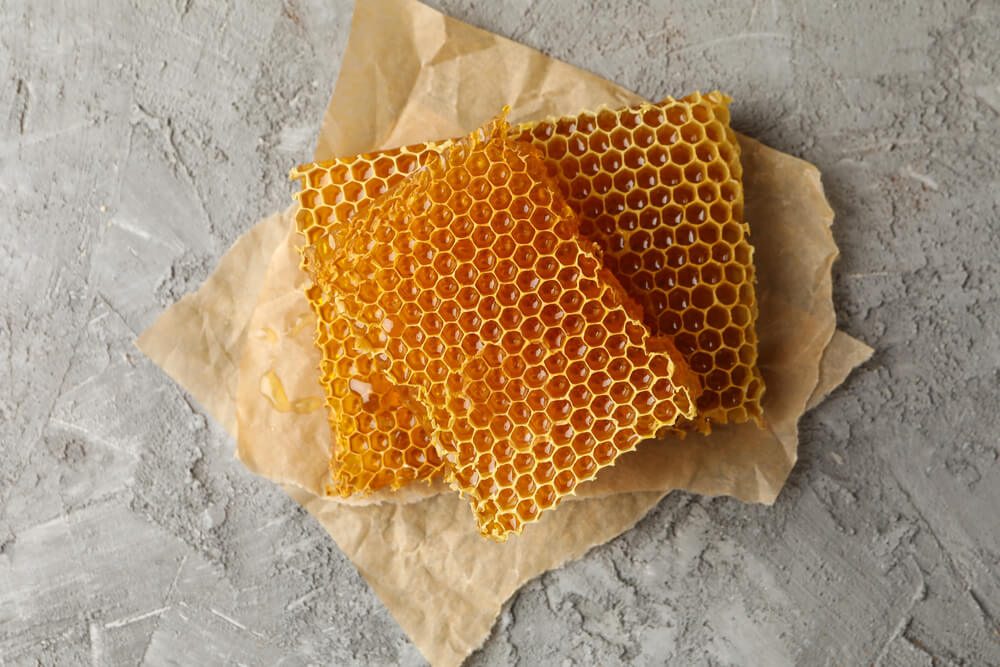
Raw honey, which is minimally processed and often unfiltered, retains more natural enzymes and antioxidants than commercial honey. Despite its purity, raw honey does not require refrigeration either. Like pasteurized honey, it can be safely stored at room temperature in a dry, dark location.
That said, raw honey may crystallize faster than processed honey. This is normal and doesn’t indicate spoilage. Placing the container in warm water (not boiling) will gently restore it to a liquid state.
Does Honey Need to Be Refrigerated After Opening in All Forms?
- Does honey butter need to be refrigerated? Yes. Honey butter typically contains dairy or plant-based fats that are perishable. It should be stored in the refrigerator and used within a few weeks.
- Does raw honey need to be refrigerated after opening? No. Room temperature storage is best for both quality and safety.
- Does Mike’s Hot Honey need to be refrigerated? Mike’s Hot Honey and similar infused products usually contain added ingredients like chili, vinegar, or preservatives. Most commercial bottles do not require refrigeration, but always check the label.
- Does honey cake need to be refrigerated? The cake itself may require refrigeration depending on the recipe, especially if it includes cream or dairy-based frosting. But the honey inside doesn’t demand cold storage.
- Does honey bun cake need to be refrigerated? Similar to honey cake, if perishable frosting or fillings are used, refrigeration may be necessary.
- Does honey mustard salad dressing need to be refrigerated? Yes. Salad dressings contain multiple perishable ingredients and should be kept refrigerated after opening.
What Happens If You Refrigerate Honey?
Refrigerating honey causes it to crystallize faster. This is a natural process where the sugars separate and form solid crystals. While this doesn’t spoil the honey, it can make it less convenient to use. To reverse crystallization, simply place the jar in a bowl of warm water and stir gently.
Crystallized honey still retains its full nutritional value and can be used in recipes, tea, or even spread on toast for a crunchy texture.
Shelf Life of Honey Without Refrigeration.
Honey is one of the few foods that never spoils under proper storage conditions. Archaeologists have even discovered pots of edible honey in ancient Egyptian tombs. Most commercially packaged honey has a best-by date of two years, but it remains safe to eat indefinitely as long as it hasn’t been contaminated with moisture or foreign particles.
Store honey in a glass jar or food-grade plastic container with a tight lid. Avoid metal containers, which may oxidize. Keep it in a pantry or cabinet away from sunlight and heat sources.
Can Honey Go Bad?
Honey rarely spoils, but it can go bad under specific circumstances:
- If water gets into the honey jar, it can ferment.
- If stored in humid environments without a tight lid, it may develop an off-smell or taste.
- Raw honey may have particles like pollen or wax that affect clarity but not safety.
Signs that honey has gone bad include foaming, alcohol-like smell, or mold—though these are rare.

FAQs:
Q1: Can you eat crystallized honey?
Yes, crystallized honey is safe and retains all its nutrients. You can return it to liquid form by gently warming it.
Q2: How should raw honey be stored?
Raw honey should be kept in a tightly sealed container at room temperature, away from sunlight and heat.
Q3: What’s the best container to store honey?
Glass jars are ideal. If using plastic, make sure it’s food-grade. Avoid metal containers.
Q4: Is it safe to store honey near the stove?
No. Heat can degrade the flavor and enzymes in honey. Store it in a cool, dark place.
Q5: Does honey go bad after the expiration date?
Not usually. Expiration dates are typically for quality, not safety. If properly stored, honey lasts indefinitely.
Q6: Should I refrigerate homemade honey-based sauces or glazes?
If your recipe includes perishable ingredients like butter or cream, refrigeration is necessary. Pure honey-based sauces don’t require it.
Q7: Can honey be stored in the freezer?
Technically yes, but it’s unnecessary. Freezing honey won’t harm it but may alter the texture.
Final Thoughts.
So, does honey need to be refrigerated? In nearly all cases, no. Honey is naturally resistant to spoilage and performs best when stored at room temperature in a tightly sealed container. Exceptions apply to honey-based products like honey butter, salad dressings, or cakes with perishable components, which should be refrigerated.
Properly stored honey can last for decades-or even centuries-offering not only sweetness but an impressive shelf life. By understanding how to store it correctly, you can enjoy its benefits without compromising texture or taste.