

Hummus, a creamy blend of chickpeas, tahini, olive oil, and spices, has become a staple in many kitchens due to its nutritious profile and versatility. But once you open that container or whip up a fresh batch at home, an important question arises: does hummus need to be refrigerated? The short answer is yes-but the longer explanation depends on the type of hummus, whether it’s opened or unopened, homemade or store-bought, and how long it’s left out.
Understanding the proper storage requirements is not just about preserving flavor and texture-it’s also crucial for food safety. Let’s dive into how hummus should be stored and why refrigeration matters.
Why Hummus Needs Refrigeration
Hummus contains perishable ingredients such as tahini (made from ground sesame seeds), lemon juice, and olive oil. These components are prone to microbial growth if left at room temperature too long. Most types of hummus, especially store-bought or homemade varieties, require refrigeration to prevent bacterial contamination and spoilage.
The moment a container is opened, it becomes exposed to oxygen and potentially to bacteria from utensils or the environment. This accelerates the risk of spoilage, making refrigeration essential to maintain freshness and safety.
Does Store-Bought Hummus Need to Be Refrigerated?
Yes, store-bought hummus must be refrigerated, especially after opening. Even if it was purchased off a chilled shelf in the grocery store, it should remain cold until use. Brands like Sabra, which is one of the most popular names in the market, recommend refrigeration at all times-both before and after opening the packaging.
If store-bought hummus has been left out for more than 2 hours at room temperature, the USDA advises it should be discarded due to the potential growth of harmful bacteria. Even packaged hummus, despite its sealed environment, cannot withstand room temperature for long once opened.

Does Packaged or Shelf-Stable Hummus Always Need to Be Refrigerated?
You may come across shelf-stable hummus in the dry goods section of your supermarket. These products often undergo a pasteurization process or contain preservatives to allow room temperature storage before opening. However, the moment the seal is broken, refrigeration becomes mandatory.
So while packaged hummus might initially appear more flexible, once opened, it behaves like any other perishable food item. Always check the label for specific storage instructions.
How Long Can Hummus Be Unrefrigerated?
If you’re packing hummus for a picnic or leaving it out at a party, it’s crucial to understand its time limit at room temperature. According to food safety guidelines:
- Unopened shelf-stable hummus: Can remain at room temperature until expiration.
- Opened hummus (any type): Should not sit out longer than 2 hours.
- Hot environments (above 90°F/32°C): That safe window shrinks to 1 hour.
After these time frames, bacteria like Listeria or Salmonella can multiply to dangerous levels. It’s best to err on the side of caution and discard any hummus left out too long.
What Happens If You Don’t Refrigerate Hummus?
Failing to refrigerate hummus can lead to several consequences:
- Spoilage: The oils may separate, and the texture will turn sour or lumpy.
- Off smell: Spoiled hummus gives off a sharp, sour odor due to bacterial activity.
- Taste changes: The fresh, nutty flavor of chickpeas and tahini will become bitter or tangy.
- Health risks: Consuming unrefrigerated hummus can result in food poisoning, especially if it contains dairy or garlic, which are high-risk for microbial growth.
Symptoms from consuming spoiled hummus can include nausea, vomiting, diarrhea, and stomach cramps.
Does Sabra Hummus Need to Be Refrigerated?
Absolutely. Sabra hummus must be kept in the fridge, both before and after opening. Although their containers are factory-sealed, Sabra does not sell shelf-stable versions. As soon as you bring it home from the store, it should go directly into the refrigerator.
Once opened, the recommended shelf life is within 5 to 7 days, although some consumers report it lasting up to 10 days when handled properly.
How to Tell If Hummus Has Gone Bad
Here are some signs your hummus has spoiled, even if it was refrigerated:
- Unusual sour smell or sharp fermented odor
- Mold growth or discolored spots on the surface
- Separation of oils that doesn’t mix back in
- Watery texture or slimy appearance
- Fizzing or bubbling, which may indicate fermentation
Always trust your senses. If anything about the hummus seems off, it’s best to discard it.
Best Practices for Storing Hummus.
To extend the freshness and quality of your hummus, follow these tips:
- Store in the coldest part of your refrigerator (not the door).
- Keep the lid tightly sealed or transfer to an airtight container.
- Use clean utensils every time to prevent cross-contamination.
- Label homemade hummus with the date of preparation.
- Avoid repeated temperature fluctuations (don’t leave it out and then refrigerate again).
These practices apply to homemade hummus, Sabra, and other commercial brands alike.
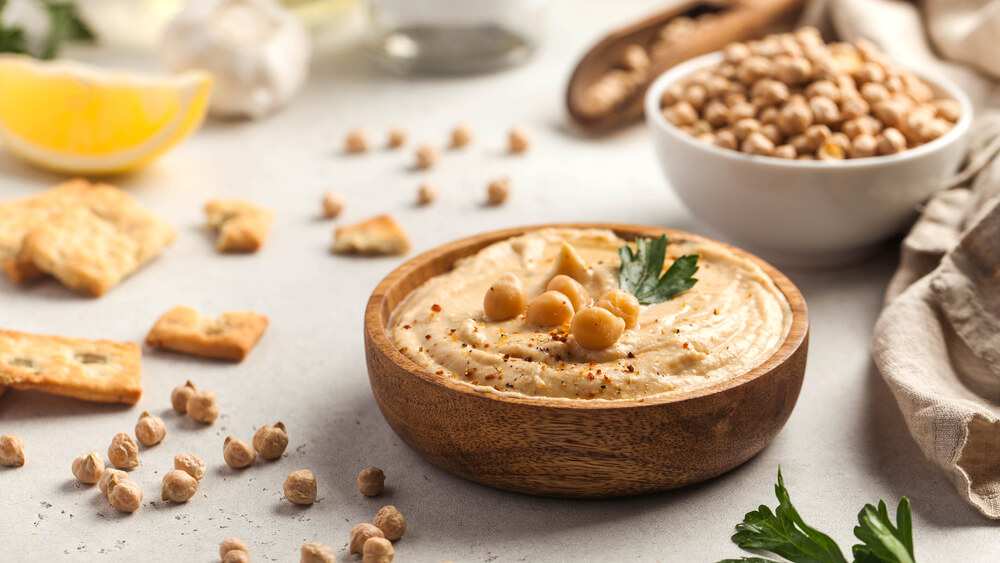
Homemade Hummus vs. Store-Bought: Storage Differences
Homemade hummus typically has no preservatives, making it more vulnerable to spoilage. It should always be refrigerated immediately after preparation and consumed within 4 to 5 days. If your recipe includes dairy or fresh garlic, consider consuming it even sooner—within 3 to 4 days.
Store-bought hummus, especially those with stabilizers and preservatives, generally lasts up to 7 days after opening if kept refrigerated.
Freezing Hummus: A Viable Alternative?
Yes, hummus can be frozen for long-term storage. While freezing may slightly alter the texture (causing it to become grainy or watery), it’s still safe and practical:
- Freeze in portioned containers for convenience.
- Leave space for expansion if using plastic containers.
- Thaw in the refrigerator overnight, and stir well before serving.
Frozen hummus can last for up to 4 months and still taste good if stored properly.
FAQs: Does Hummus Need to Be Refrigerated?
Q1: Does hummus always have to be refrigerated?
Yes, unless it’s a shelf-stable version that hasn’t been opened. Once opened, all hummus should be kept in the fridge to avoid spoilage.
Q2: How long can hummus be left out unrefrigerated?
No more than 2 hours at room temperature, or 1 hour in hotter environments.
Q3: What happens if you eat hummus that wasn’t refrigerated?
You risk foodborne illness. Bacteria like Listeria or Salmonella can grow in unrefrigerated hummus, causing symptoms like nausea and diarrhea.
Q4: Can I eat hummus that’s been left out overnight?
No. Hummus left out overnight is unsafe to eat, even if it looks or smells fine. Discard it immediately.
Q5: Does hummus go bad in the refrigerator?
Yes, even in the fridge, hummus has a limited shelf life—typically 5–7 days for store-bought and 3–5 days for homemade varieties.
Final Thoughts
In summary, yes—hummus needs to be refrigerated, regardless of whether it’s homemade, store-bought, or comes in a vacuum-sealed package. Keeping it cold preserves both taste and safety. Store it properly, avoid leaving it out for long periods, and don’t hesitate to toss it if it shows signs of spoilage.
Whether you’re a fan of traditional chickpea hummus or flavored varieties like roasted red pepper or garlic, refrigeration is the key to keeping your dip fresh and safe.