

Cream cheese frosting is a staple in many kitchens, known for its rich, tangy flavor and creamy texture. But one common question continues to pop up—does cream cheese frosting need to be refrigerated? Whether you’re baking a birthday cake, pumpkin bars, or just whipping up a batch for cupcakes, understanding how to store this delicious topping is crucial for both taste and safety.
In this article, we’ll break down everything you need to know about storing cream cheese frosting, including whether it can sit at room temperature, how long it lasts, and how different types (like Pillsbury or homemade) affect refrigeration needs.
Why Refrigeration Matters for Cream Cheese Frosting?
Unlike buttercream, cream cheese frosting contains dairy, which is highly perishable. The base ingredients—cream cheese, butter, powdered sugar, and sometimes vanilla—create an environment that bacteria can thrive in if left at room temperature too long. This makes refrigeration essential for food safety.
The U.S. Food and Drug Administration (FDA) recommends that perishable foods, especially dairy-based items, should not be kept at room temperature for more than two hours. Beyond that, bacterial growth can reach unsafe levels, even if the frosting still smells and tastes fine.
Does Cream Cheese Frosting Need to Be Refrigerated on a Cake?
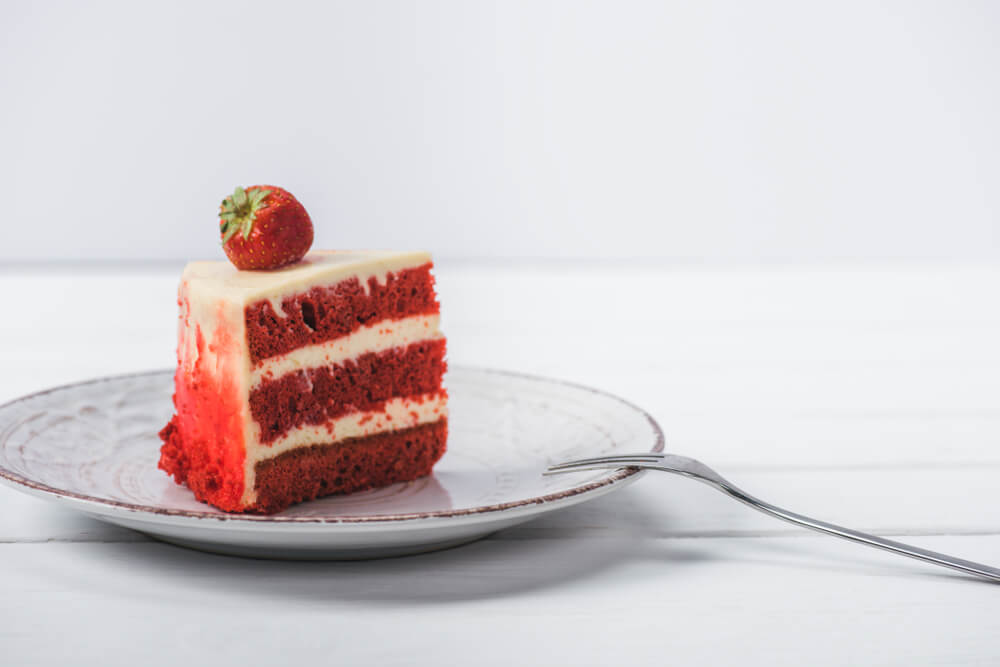
Yes, a cake with cream cheese frosting should be refrigerated if you’re not serving it immediately. This includes all types of cakes—red velvet, carrot, spice cakes, or any dessert topped with cream cheese frosting. The cake itself may be shelf-stable, but the frosting makes refrigeration necessary.
However, you can bring the cake to room temperature for 30 to 60 minutes before serving to restore its soft texture and enhance flavor.
Can You Keep Cream Cheese Frosting at Room Temperature?
Only for short periods. If you’re wondering, “Can you keep cream cheese frosting at room temperature for a few hours?” the answer is yes—but with limits.
Here’s a quick guideline:
- Room Temp (under 70°F/21°C): Safe for up to 2 hours
- Cool Room Temp (below 65°F/18°C): Up to 4 hours max
- Hot Weather (above 75°F/24°C): No more than 1 hour
Beyond this, bacteria like Listeria and Salmonella can multiply rapidly, increasing the risk of foodborne illness.
Does Pillsbury Cream Cheese Frosting Need to Be Refrigerated?
Pillsbury cream cheese frosting is a bit of an exception to the rule. Commercially processed frostings often contain preservatives that extend shelf life, meaning they don’t always need to be refrigerated before opening.
But once you open the container or use it on a baked good, the story changes. Pillsbury recommends:
- Unopened Can: Store at room temperature
- After Opening or Use on a Cake: Refrigerate and use within 1 week
Even with added preservatives, exposure to air and moisture can compromise the product’s safety and flavor.
Does a Cake with Homemade Cream Cheese Frosting Need to Be Refrigerated?
Absolutely. Homemade cream cheese frosting lacks preservatives, so it’s more vulnerable to spoilage. As soon as the frosting is applied to a cake, the entire dessert should be refrigerated.
Here’s how to store it properly:
- Refrigerator: Store covered to prevent it from drying out or absorbing odors
- Serving: Let it sit out for 30–45 minutes before serving for better texture
- Shelf Life: 3 to 5 days in the fridge
This applies whether you’re frosting cupcakes, layer cakes, or a tray of pumpkin bars.
Do Pumpkin Bars with Cream Cheese Frosting Have to Be Refrigerated?
Yes. Pumpkin bars topped with cream cheese frosting must be refrigerated. While the bars themselves are quite stable, the frosting isn’t. Store them in an airtight container in the fridge, and they’ll stay fresh for 4–5 days.
You can also freeze them if needed—just be sure to thaw them in the refrigerator overnight, not on the counter, to maintain food safety.
How Long Does Cream Cheese Frosting Need to Be Refrigerated?
If you’re prepping in advance or storing leftovers, here’s what you need to know:
- Refrigeration Time for Fresh Frosting: Up to 5 days in an airtight container
- Refrigeration After Use on Cake: 3–5 days, covered well to avoid dryness
- Freezer Storage: Can be frozen for up to 1 month. Thaw overnight in the fridge and re-whip if needed
The frosting can firm up a bit in the fridge, so give it time to soften before spreading or serving.
Does Cream Cheese Frosting Need to Be Refrigerated Overnight?
Yes, without a doubt. Cream cheese frosting should always be refrigerated overnight if not eaten the same day. Leaving it out overnight—especially in warm kitchens—poses a serious risk of bacterial growth.
If you’ve already left it out overnight by mistake, the safest route is to discard it, even if it looks and smells fine. Foodborne pathogens don’t always give warning signs.
Best Practices for Storing Cream Cheese Frosting
To keep your frosting safe and delicious:
- Always refrigerate after applying it to cakes, cupcakes, or bars
- Use airtight containers for leftovers to prevent drying and contamination
- For smoother texture after chilling, let it rest at room temperature for 30 minutes
- Avoid repeated temperature changes—store it properly the first time.
FAQs
Q: Can I leave cream cheese frosting out overnight?
A: No, it must be refrigerated. Leaving it out can lead to food spoilage.
Q: Can you freeze cream cheese frosting?
A: Yes, it freezes well for up to 1 month. Thaw in the fridge and stir before use.
Q: How do I soften refrigerated cream cheese frosting?
A: Let it sit at room temperature for 30–45 minutes or beat it gently with a mixer.
Q: Is it okay to eat frosting left out for 3 hours?
A: It depends on room temperature, but beyond 2 hours is risky. Best to refrigerate it.
Q: Can I use cream cheese frosting on a warm cake?
A: No. Let the cake cool first to prevent the frosting from melting and separating.
Conclusion: Always Choose Safety First
When it comes to cream cheese frosting, it’s better to err on the side of caution. While it may seem harmless to leave it out for a few hours, the dairy content makes it prone to spoilage if not handled properly. Whether you’re frosting a batch of cupcakes, decorating a celebration cake, or preparing pumpkin bars for the holidays, refrigeration is key to keeping your desserts both safe and delicious.
Think of it this way—refrigeration preserves the flavor you worked hard to create and protects the people you’re serving it to. A little extra care in storage goes a long way in ensuring your frosting stays as smooth, creamy, and safe as it should be.
So the next time you’re tempted to leave that frosted cake on the counter overnight, remember: the fridge is your best friend.