

Buttercream is at the heart of many delicious desserts—from birthday cakes to cupcakes and even sandwich cookies. But as delightful as this frosting is, it also comes with a question every home baker eventually asks: does buttercream need to be refrigerated?
Whether you’re using homemade frosting or a store-bought tub, or wondering about milk-based, egg-based, or vegan options, storage plays a crucial role in keeping your confections safe and tasty. Let’s break it down from both a technical and practical perspective—with the emotion of someone who’s been there, scraping frosting off a cake at midnight, wondering if it’s still safe to eat.
Understanding Buttercream: Ingredients That Matter
To understand buttercream storage, we first need to look at what’s inside it. The ingredients you use directly impact whether refrigeration is needed:
- American Buttercream: Butter (or shortening), powdered sugar, and flavorings. No perishable liquids.
- Swiss or Italian Meringue Buttercream: Uses egg whites, sugar, and butter—more sensitive.
- Ermine Buttercream: Made by cooking milk and flour into a pudding base, then whipping with butter. Contains milk.
- Vegan Buttercream: Typically plant-based shortening or margarine with sugar and no dairy.
- Store-bought frostings (e.g., Duncan Hines): Often shelf-stable but may need refrigeration after opening.
Each type has its own shelf life and storage needs. So the short answer is: sometimes yes, and sometimes no—depending on the type.
Does Homemade Buttercream Need Refrigeration?
Most homemade buttercream, especially American-style, is safe at room temperature for up to 2–3 days in a cool kitchen. However, if your environment is warm or humid, it’s best to refrigerate it.
Why? Because butter is a dairy product and, although sugar acts as a preservative, it’s not foolproof in warmer conditions.
If your buttercream contains:
- Milk or cream: Refrigeration is strongly recommended.
- Egg whites (Swiss/Italian meringue): Always refrigerate due to food safety risks.
Does Buttercream Need to Be Refrigerated Before Piping?
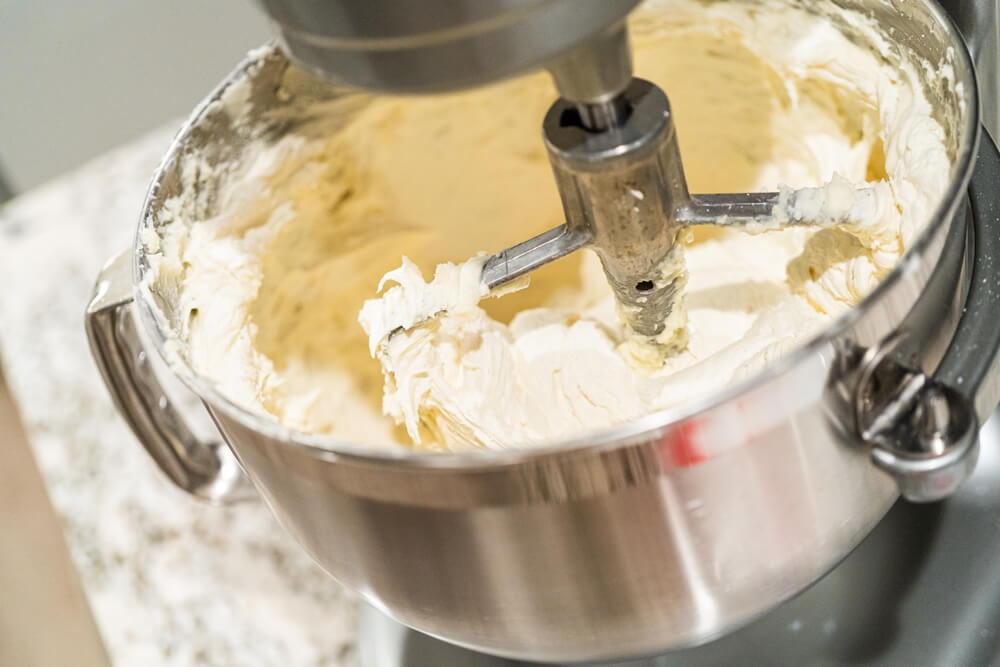
Buttercream should ideally be used at room temperature for easy piping. However, if you’ve made it ahead and stored it in the fridge, you’ll need to let it sit out for about 30–60 minutes and re-whip it to bring back its creamy consistency.
So, yes—you can refrigerate it before piping, but you’ll need to temper it properly before using.
Does Buttercream Cake Need to Be Refrigerated?
Whether a buttercream-covered cake needs refrigeration depends on how long you intend to store it.
- Serving within 24 hours? Room temperature is fine.
- More than 1–2 days? Refrigerate the cake, especially if the filling contains fruit, cream, or custard.
Pro tip: Cover the cake with plastic wrap or store in an airtight cake container to prevent it from drying out in the fridge. Before serving, let the cake sit at room temperature for about 30–60 minutes to soften the buttercream.
Do Buttercream Cupcakes Need to Be Refrigerated?
Just like cakes, buttercream-frosted cupcakes can sit at room temperature for up to 2 days if the buttercream is dairy-free or American-style.
However, if your cupcakes have fillings or toppings that are perishable (like whipped cream, fresh fruit, or cream cheese), they must be refrigerated and consumed within 3–4 days.
Does Duncan Hines Frosting Need to Be Refrigerated?
Store-bought frostings like Duncan Hines are formulated for shelf stability. This means they do not require refrigeration before opening.
However, once opened:
- If unused frosting contains milk or dairy, refrigerate after opening.
- If you’ve used it on a cake with perishable ingredients, refrigerate the entire dessert.
Always check the label for storage directions. In general, opened Duncan Hines frosting should be kept in the fridge and used within 30 days.
Does Ermine Buttercream Need to Be Refrigerated?
Yes, Ermine Buttercream must be refrigerated. It’s made by cooking a flour and milk mixture, which introduces perishable dairy and moisture—ideal conditions for bacteria if left out too long.
Store ermine buttercream:
- In an airtight container
- In the refrigerator for up to 1 week
- At room temperature for no more than 4 hours
To reuse, let it warm up a bit and re-whip until smooth.
What About Buttercream With Milk?
Milk in buttercream increases the need for refrigeration. Even small amounts of cream, evaporated milk, or regular milk make the frosting more perishable.
It may not spoil immediately, but it poses a food safety risk if left unrefrigerated for extended periods. So if your buttercream has any form of milk:

- Keep it in the fridge if not used right away
- Store frosted cakes in the fridge and let them warm before serving
Shelf Life of Buttercream in Different Conditions
| Type of Buttercream | Room Temp (68–72°F) | Refrigerated | Frozen |
| American Buttercream | 2–3 days | 1 week | 3 months |
| Swiss/Italian Meringue | Not safe | 5–7 days | 2–3 months |
| Ermine Buttercream | 4 hours max | 5–6 days | Not recommended |
| Store-bought (unopened) | Several months | Not needed | Not needed |
| Store-bought (opened) | 2–3 weeks | Yes | Can be frozen |
FAQs About Buttercream Storage
Q1: Can I freeze buttercream frosting?
Yes, buttercream freezes very well—especially American-style. Store it in an airtight container or zip bag for up to 3 months. Thaw overnight in the fridge, then let it come to room temp and re-whip.
Q2: Can I leave buttercream cake out overnight?
If it’s cool and the cake is not filled with perishable ingredients, yes. But during warmer months or if the frosting has milk or eggs, refrigerate it.
Q3: Why did my buttercream separate after refrigerating?
This happens when butter solidifies and separates from liquid. Simply let it come to room temp and re-whip for a smooth texture.
Q4: What’s the best way to store leftover buttercream?
Use an airtight container and refrigerate for up to one week. Label it with the date and type, and avoid cross-contamination by using clean utensils.
Q5: Is it safe to eat buttercream left out overnight?
If it’s American buttercream and your kitchen is below 72°F, it’s likely safe. If it contains eggs, milk, or was in a warm room, discard it.
Final Thoughts: Store Smart, Serve Delicious
Buttercream is more than just frosting—it’s the finishing touch that turns a cake into a celebration. But as with any food that contains butter, sugar, or milk, proper storage is key to keeping your desserts safe and flavorful.
When in doubt, refrigerate—and bring it back to room temperature before serving. That way, you protect your family and friends while still offering them the decadent joy of a well-made buttercream frosting.
If you’re baking often, it’s helpful to keep small labels and dates on stored frosting to ensure you never have to question its safety. After all, baking is love—and love deserves freshness.